Creating a cozy and productive home office space is essential for anyone working remotely or spending significant time on personal projects at home. A well-designed workspace can improve focus, reduce stress, and make your daily tasks more enjoyable. Whether you have a dedicated room or just a small corner, these tips will help you set up an environment that supports both comfort and efficiency.
Choose the Right Location
Assess Your Space
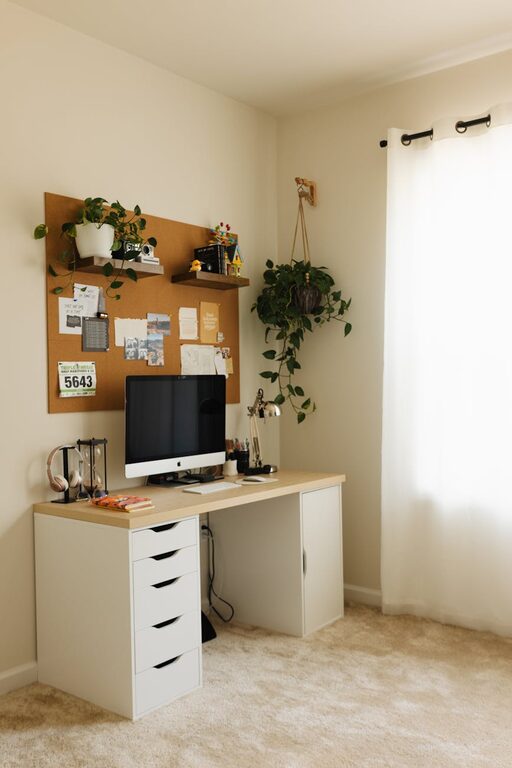
Start by finding the best spot in your home to set up your office. Ideally, select a quiet area with minimal distractions. If possible, use a separate room so you can physically separate work from your living space. If space is limited, a corner in your living room or bedroom can work well too.
Consider Natural Light
Natural light can boost mood and energy levels, which are crucial for productivity. Position your desk near a window to take advantage of daylight without having the sun directly glare on your screen.
Invest in Comfortable Furniture
Select a Supportive Chair
A good office chair is essential. Choose one that offers lumbar support, adjustable height, and comfortable cushioning. Sitting for long periods means your chair should promote good posture and reduce strain.
Opt for a Functional Desk
Your desk should be spacious enough to hold your computer, documents, and desk accessories without feeling cluttered. Standing desks or adjustable desks are a great option if you want to alternate between sitting and standing during the day.
Organize and Declutter
Use Storage Solutions
Keep your workspace tidy by adding shelves, drawers, or organizers. Use containers or trays to store stationery and supplies to prevent clutter from building up on your desk.
Minimize Distractions
Keep only essential items on your desk to maintain focus. Remove unrelated materials and gadgets that may pull your attention away from work.
Personalize Your Space
Add Cozy Textures and Colors
Incorporate soft rugs, cushions, or throws to make your office comfortable. Choose calming colors like soft blues, greens, or neutral tones that create a peaceful atmosphere.
Decorate with Plants and Art
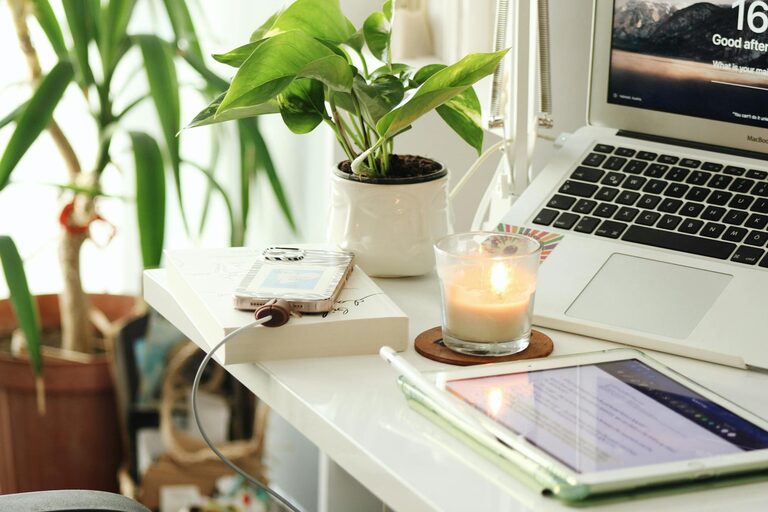
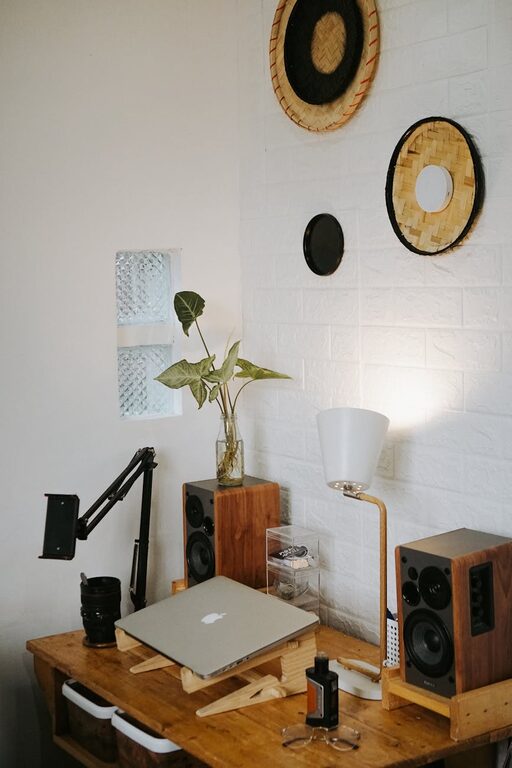
Plants not only improve air quality but also add a refreshing touch to your workspace. Small potted plants or succulents are easy to care for. Personal artwork or motivational quotes can inspire and uplift your mood.
Optimize Lighting for Work
Layer Your Lighting
Use a combination of overhead lighting, task lighting, and ambient lighting. Desk lamps with adjustable brightness can help reduce eye strain during evening hours.
Avoid Screen Glare
Place your computer screen perpendicular to windows or light sources to minimize glare, which can cause headaches and reduce productivity.
Create a Routine-Friendly Environment
Define Work Zones
If possible, separate areas for different tasks, such as a desk for computer work and a corner for reading or brainstorming. This helps mentally switch focus between activities.
Keep Essential Tools Within Reach
Organize your workspace so that frequently used items like notebooks, pens, and chargers are easily accessible. This saves time and reduces interruptions.
Maintain Good Air Quality and Temperature
Ensure Proper Ventilation
Fresh air keeps energy levels up. Open windows when possible or use an air purifier to create a healthier work environment.
Control the Temperature
Keep your office at a comfortable temperature. Use fans, heaters, or air conditioning as needed to maintain a space where you can focus without discomfort.
Manage Noise Levels
Use Noise-Cancelling Headphones
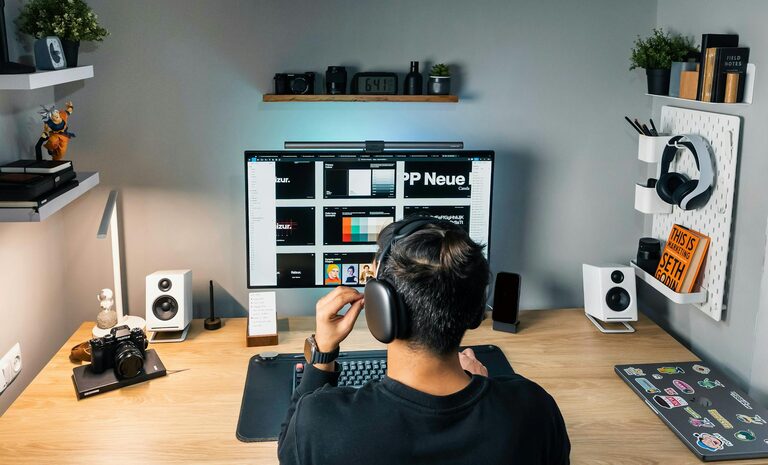
If you have a noisy environment, noise-cancelling headphones can help you concentrate better by blocking out distractions.
Introduce Soft Background Sounds
Some people find soft background music or white noise helpful for maintaining focus. Experiment with what works best for you.
Establish Boundaries for Work-Life Balance
Communicate Your Schedule
If you live with family or roommates, let them know your working hours to minimize interruptions.
Leave Work Behind
At the end of the day, shut down your computer and tidy your workspace to create a clear end to your workday and help transition into personal time.
—
Creating a cozy and productive home office doesn’t have to be overwhelming. By thoughtfully choosing your space, investing in comfortable furniture, organizing efficiently, and adding personal touches, you can build a workspace that supports your best work every day. Remember, small changes can make a big difference in how you feel and perform while working from home.