Creating a home office that feels both cozy and productive can significantly enhance your work-from-home experience. Whether you’re freelancing, managing a remote team, or just need a dedicated spot for personal projects, the right environment can boost focus, creativity, and motivation. Below, we explore practical tips to help you design a home office that balances comfort with functionality.
Choose the Right Location
Consider Natural Light
Natural light can improve mood and increase alertness. If possible, position your desk near a window to take advantage of daylight. Avoid locations where glare might interfere with your screen by using adjustable blinds or curtains.
Account for Noise and Distractions
Select a space that minimizes noise and interruptions. If that’s not possible, consider noise-cancelling headphones or soft background music to stay focused.
Invest in Comfortable and Functional Furniture
Ergonomic Chair and Desk
A supportive chair is crucial for long hours at your desk. Look for adjustable options that support good posture. Pair it with a desk at a comfortable height that provides enough surface area for your computer, documents, and other essentials.
Use Storage Wisely
Declutter your workspace with shelves, drawers, or organizers. Keeping items within reach but neatly stored can reduce distractions and save time.
Personalize Your Space
Add Personal Touches
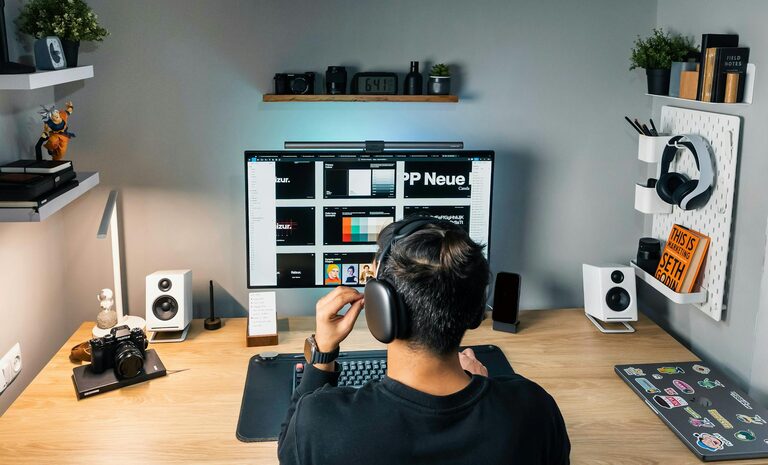
Incorporate items that inspire you, such as artwork, plants, or meaningful decor. These touches make your workspace inviting and uniquely yours.
Choose a Calming Color Palette
Colors can impact mood and productivity. Soft blues, greens, or neutrals promote calm and focus, while brighter accents can add energy.
Optimize Lighting
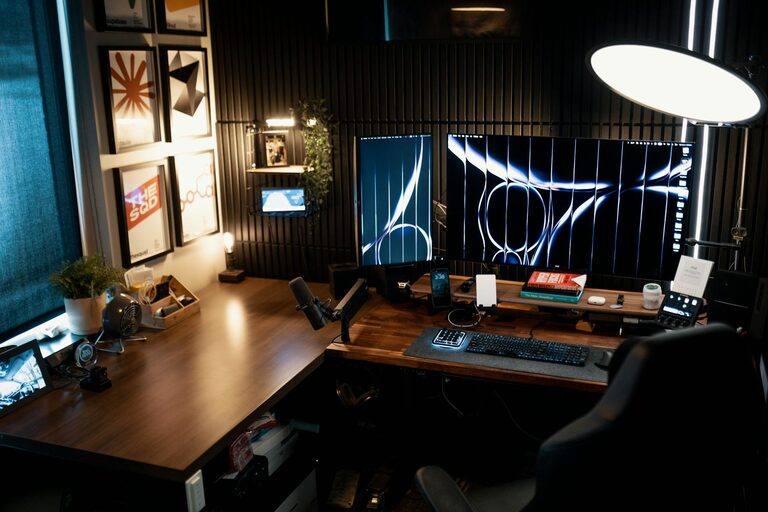
Combine Ambient and Task Lighting
Use a combination of ceiling lights and desk lamps to create balanced illumination. A well-lit space reduces eye strain and helps maintain alertness.
Adjust Light Temperature
Cooler, white lights are often better for productivity, while warmer tones aid relaxation. Use adjustable bulbs or bulbs with dimmers to switch between moods.
Keep Technology Organized and Efficient
Manage Cable Clutter
Use cable ties or clips to keep cords tidy and out of sight. This not only improves aesthetics but also reduces the risk of accidents or equipment damage.
Choose Functional Accessories
Invest in tools like a second monitor, keyboard stands, or a docking station if they improve your workflow. A wireless mouse and keyboard can reduce cable clutter.
Maintain Good Air Quality and Comfort
Ventilation and Temperature
Ensure your workspace is well-ventilated and maintains a comfortable temperature. Fresh air and a comfortable climate help keep you alert and reduce fatigue.
Include Plants
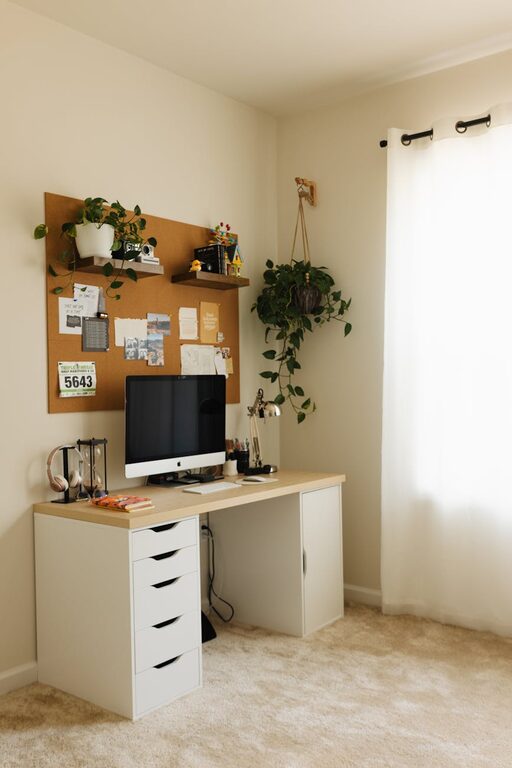
Indoor plants improve air quality and can boost mood. Choose low-maintenance varieties like succulents or pothos for an easy greenery boost.
Establish Boundaries and Routine
Separate Work from Relaxation
If your home office is part of another room, use screens, rugs, or furniture arrangement to create a defined work zone.
Set Work Hours
Create a routine by setting clear work hours and breaks. This helps your brain associate the space with focus and signals time to unwind afterward.
Keep Your Workspace Clean and Organized
Daily Tidying
Spend a few minutes daily to put things back in place. A tidy desk helps prevent overwhelm and keeps you focused.
Use Organizational Tools
Label storage bins, use drawer dividers, and plan out your physical filing system to keep papers and supplies easy to find.
Encourage Movement
Take Breaks
Stand up, stretch, or walk a little during your breaks. This helps reduce physical strain and refreshes your mind.
Consider a Standing Desk
If possible, use a desk that allows switching between sitting and standing. This supports better circulation and reduces fatigue.
—
Setting up a home office that is both comfortable and productive doesn’t have to be complicated or expensive. With some thoughtful planning and attention to your personal needs, you can create a space where work feels pleasant and effective every day. Try implementing these tips to design your ideal home office and enjoy a better work-at-home experience.